Winter might feel like the end of the growing season, but for those of us who garden in small spaces, it’s actually a turning point. This is when we prepare our balconies, patios, porches, rooftops, and courtyard corners for rest, renewal, and resilience. Winterizing your small space garden is less about saying goodbye to your plants and more about setting them up to thrive again once spring returns.
We’ve gathered practical tips that work across U.S. grow zones, so whether you live in a snowy northern state or a mild southern climate, this guide will help you keep your plants, soil, and containers protected through the cold months ahead.
Step 1. Small Outdoor Spaces

Balconies, patios, decks, porches, fire escapes, rooftop gardens, stoops, and landing areas are the classic “small outdoor spaces” many of us rely on for container gardening. They’re charming but can also be the most exposed when winter arrives.
Start by doing a quick assessment. Look for which plants are staying, which need to come inside, and which containers might crack in freezing temperatures.
Then clean and clear everything. Sweep away leaves, debris, and old soil. This prevents pests and mold from lingering through winter.
Protect containers. You see, when winter comes creeping in, it doesn’t knock politely. It settles in the cracks and corners, testing everything you’ve built through the warmer days.
Next, protect your terra cotta and ceramic pots. Beautiful as they are, they don’t like frost. Once it gets inside, it can split them. So, give them shelter. Tuck them away where the wind can’t bite as deep, or wrap them in burlap, maybe even bubble wrap if that’s what you’ve got.
The plastic and fiberglass ones, though, they’re the tough sort. Leave them out if you must, but lift them off the ground, let the water drain, and gather them close together. Even containers need company in the cold.
Winterize Your Potted Plants
The tender ones: basil, lemongrass, citrus, bring them inside before that first frost claims them. They’ve known too much sun to face the ice. But the hardy souls, the perennials, the evergreens; they can weather it.
Still, don’t leave them to fight alone. Lay a bed of mulch around their feet, and give them one last drink before the ground turns to stone. A little care now, and come spring, they’ll remember your kindness.
Next, Anchor and Insulate
Small balconies and rooftop areas often experience strong winds. Move heavier pots into corners, tie lightweight ones to railings, and use lattice or fabric screens as windbreaks. We’ve found that wrapping containers not only protects roots but adds a cozy, finished look to your winter garden.
Add Winter Charm
Keep evergreens or ornamental grasses for texture, and add solar lights or lanterns for evening warmth. Winterizing your small space garden doesn’t mean losing beauty, it just means adapting it for the season ahead.
Step 2. Ground-Level Small Spaces

Courtyards, tiny backyards, alleyways, walkways, and even carport corners all need special attention before winter. These spaces often contain raised beds or small in-ground plots.
Start with cleanup and composting. The season finale is never without a story. The garden that was once full of promise and color is silent now, its work is completed. So, it’s cleaning up time, making peace with what was done.
Fetch up the weary vegetables, the plants that served their purpose. The diseased ones, get rid of them and move them away from the compost. But know that the healthy plants should remain, those can return to the earth, starting the circle again.
Loosen the soil just enough to let it breathe, like taking a deep breath after a long day. Don’t overwork it. The ground has earned its rest.
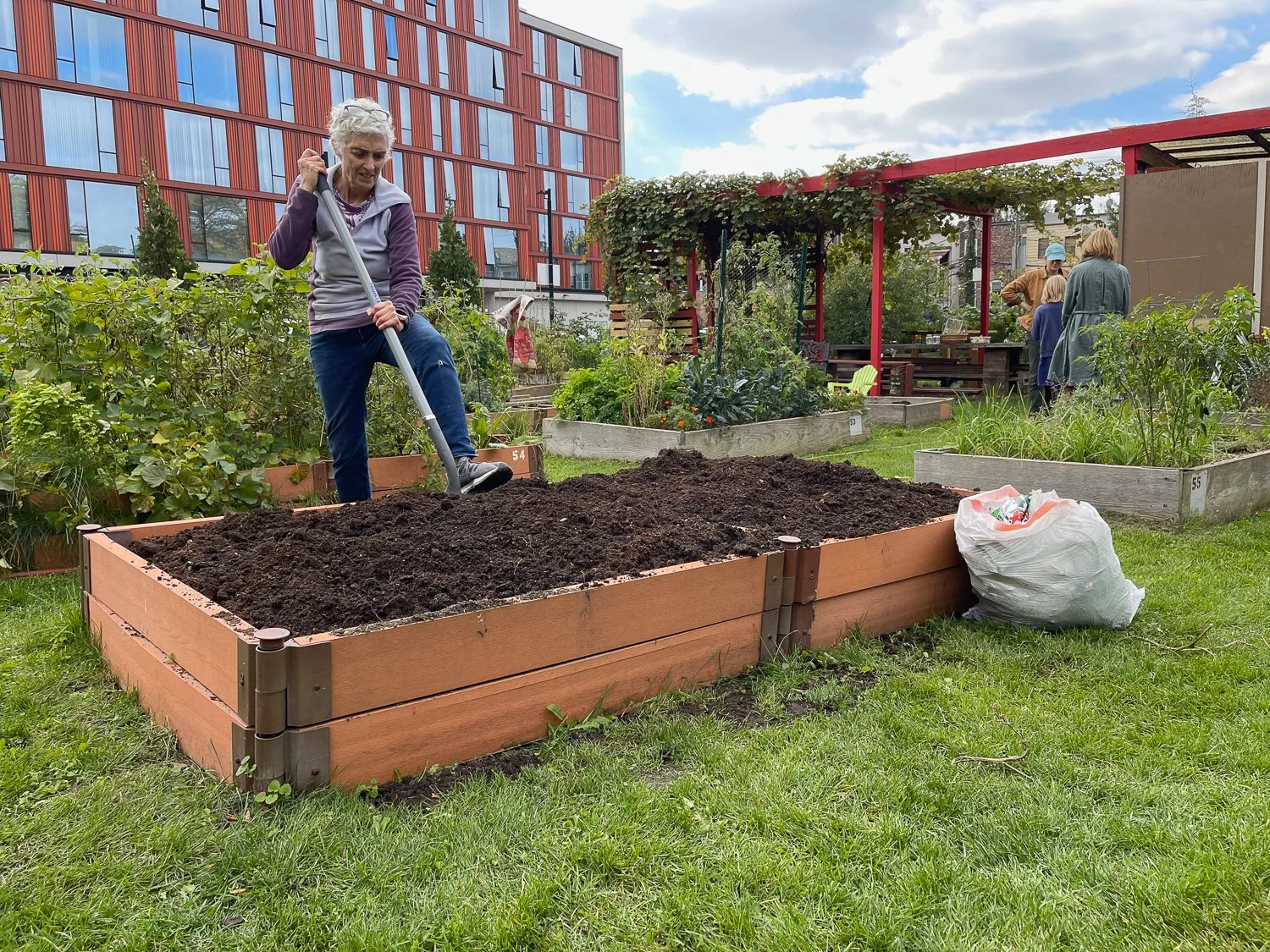
Amend the soil. Now comes the part where you give back. The earth has fed you through the months, now it’s your turn to feed it. Mix in compost and tuck it in for winter. A layer of mulch, some straw, maybe a blanket of cardboard, it’s all the same kind of kindness.
These important steps keep the rain from washing it away and the cold from biting too deep. Come spring, the soil will wake refreshed, ready to begin the story again.
Winterize your raised garden beds. This is the perfect time to protect them. Clear dead plants, enrich the soil, then top with 2–3 inches of mulch. Covering beds with tunnels or row covers extends the growing season and protects winter greens from frost.
Handle watering and drainage. In these ground-level spaces, drainage can make or break your setup. Clear debris from gutters, drains, or bed edges to prevent waterlogging. Drain garden hoses, and store them indoors.
What to do with your vegetable garden at the end of the season? We’ve learned that leaving the soil bare is a mistake. Either mulch heavily or sow a winter cover crop such as clover or rye. This keeps soil life active and prevents nutrient loss over the winter months.
3. Vertical And Window Spaces

Windowsills, window boxes, vertical gardens, and fence planters may look small, but they can carry a surprising amount of plant life. Winterizing your small space garden in these vertical or window setups is about protection and maintenance.
Clean and inspect. Get rid of the plants that have little to no life left in them. These can include annuals as well. Apart from that, inspect containers and make sure that they do not have cracks or drainage issues.
As far as outdoor window boxes are concerned, clear the soil surface and put up a layer of compost or leaf mulch. This will help to preserve soil organisms.
Bring sensitive plants inside. If you’re using exterior planters for herbs or flowers, move delicate varieties inside before frost. Use a gentle insecticidal soap or neem oil spray before bringing them indoors. This keeps pests like aphids or whiteflies from invading your living space.
You may ask, “Can I leave soil in pots over winter?”
Yes, if the containers are weatherproof and properly drained. Keeping the soil protects its micro-life. Just top it with mulch or leaves and ensure the pot is slightly elevated.
Windowsills allow you to keep gardening indoors during winter. Herbs like thyme, oregano, and chives grow well on sunny sills. Water sparingly, rotate the pots for balanced light, and enjoy the greenery through the cold months.
Vertical gardens need upkeep, too. Empty irrigation lines, and check that wall-mounted containers are secure. For living walls, cut back plants and cover exposed roots with breathable fabric or mulch.
Even if your growing area is a single railing box or a few planters outside the kitchen window, a bit of prep now means your structure and soil will be ready to bounce back in spring.
4. Shared And Community Spaces

Source: https://plantiverse.ai/wp-content/uploads/2025/01/Winter-gardening.png
If you’re part of a community garden or have shared courtyard planters, winterizing becomes a team effort.
Clean collectively. Remove all debris and dying plants, and coordinate composting with neighbors. Shared plots often accumulate clutter; stakes, twine, and old tools, so this is the best time to store or recycle what you don’t need.
Protect raised community beds: Treat them like personal ones: add compost, mix it lightly, and top with mulch. If local regulations allow, cover beds with row covers or frost blankets for protection.
Shared courtyards and building areas: If you’re winterizing shared decorative containers or flower beds, focus on low-maintenance hardy plants like junipers, heuchera, or small conifers. These offer structure and greenery through winter.
Water and maintenance schedule: Agree with others on who will check for damage after storms or freezing nights. In shared areas, keeping communication open helps avoid overwatering or neglect.
Winter is also a great time for planning next year’s community projects, maybe it’s time to plan a pollinator patch or new compost bin. Winterizing your small space garden as a group builds cooperation and keeps your green spaces thriving year after year.
Getting Familiar With U.S. Grow Zones For Winterizing

Different regions across the U.S. experience vastly different winters; winterizing your small space garden means adjusting your methods to your zone.
Here’s what we’ve learned works best for each range.
Zones 3–5 (Northern States, Upper Midwest, Mountain Regions):
- Expect deep freezes and heavy snow.
- Move delicate pots indoors or into garages.
- Use thick mulch layers and frost covers for perennials.
- Group containers close together for warmth and wind protection.
- Snow acts as natural insulation, so don’t remove it from garden beds unless it’s heavy enough to cause damage.
Zones 6–7 (Mid-Atlantic, Lower Midwest, Pacific Northwest):
- Winters are cold but manageable.
- Raised beds and containers benefit from light insulation, burlap wrapping, mulch, or straw works well.
- Many cold-hardy greens (kale, spinach, mustard) can survive with light protection.
- Keep checking moisture levels, since fluctuating temperatures can dry out soil faster than expected.
Zones 8–9 (Southern States, Coastal California):
- Frosts are brief but can still harm tropicals.
- Move tender potted plants to covered porches or patios during cold nights.
- Continue planting cool-season vegetables such as lettuce, peas, or carrots.
- Mulch soil to prevent nutrient loss from winter rains.
Zones 10–11 (Southern Florida, Hawaii, Coastal Texas, and parts of California):
- Winter gardening continues nearly year-round.
- Focus on pest prevention and maintaining moisture levels.
- Rotate crops or give certain containers rest periods by covering them with compost or green manure.
- Keep up a regular feeding schedule with organic fertilizer.
If you’re not sure of your zone, check the “USDA Plant Hardiness Zone Map” online (planthardiness.ars.usda.gov). It’s the simplest way to understand how cold your region gets and how to prepare accordingly.
Three Habits Make the Difference
No matter your climate, winterizing your small space garden is about observation, care, and preparation, three habits that make all the difference in how your plants come back in spring.


:strip_icc()/bhg-raised-beds-in-snow-1271575708-6f27c06dcb1e440d998719813b19a6c8.jpg)
:max_bytes(150000):strip_icc()/__opt__aboutcom__coeus__resources__content_migration__mnn__images__2017__11__snowy_shrubs-a81c4e0f504f49bc844734ae19f97443.jpg)