

There’s a moment in every cottagecore enthusiast’s journey when the flowing dresses and flower crowns start to feel a little incomplete. Perhaps you find yourself drawn to something earthier, like muddy boots left by the back door, a barn coat worn soft from years of use, the satisfying weight of a tool that fits your hand just right. That pull toward the practical, the productive, the genuinely agricultural? That’s farmcore.
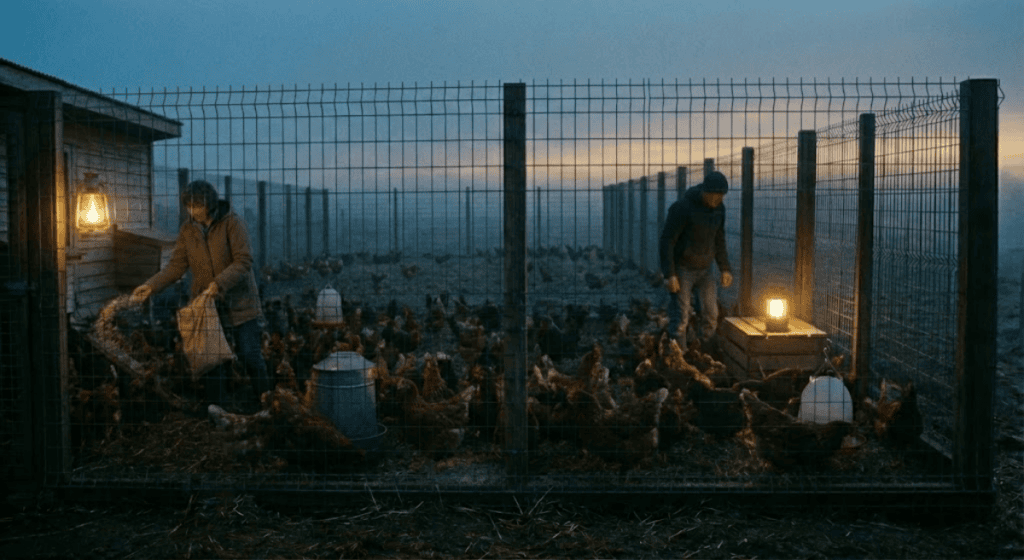
Farmcore lifestyle, early morning chores at sunrise.
Farmcore is cottagecore’s rough-and-tumble sibling. Where cottagecore dreams of wildflower meadows and tea parties in the garden, farmcore wakes before dawn to feed the chickens. Both aesthetics celebrate rural life and a return to simpler ways, but farmcore grounds that romanticism in dawn-to-dusk labor and the substantial beauty of a life spent producing.
Farmcore vs. Cottagecore: Understanding the Difference
The distinction between farmcore and cottagecore isn’t always sharp, they share roots and often overlap, but the emphasis differs in meaningful ways. (Like its sibling aesthetic, farmcore was coined by an unknown Tumblr user, emerging around 2019 shortly after cottagecore was named in 2018.)
Cottagecore tends toward the domestic. It celebrates baking sourdough, arranging flowers, reading poetry by candlelight, and cultivating a home that feels like a refuge from modern life. The aesthetic leans feminine, soft, and nostalgic, drawing inspiration from English countryside imagery and the gentle arts that make home a sanctuary.
 They work best together. They’re different expressions of the same longing, a desire to reconnect with land, seasons, and the tangible results of physical work. Many people find themselves naturally drawn to both, shifting between them depending on the day, the task, or the season.
The Farmcore Aesthetic: What It Looks Like
Farmcore style prioritizes function without abandoning beauty. The aesthetic finds elegance in workwear, charm in weathered wood, and romance in the golden hour light falling across a working barn.
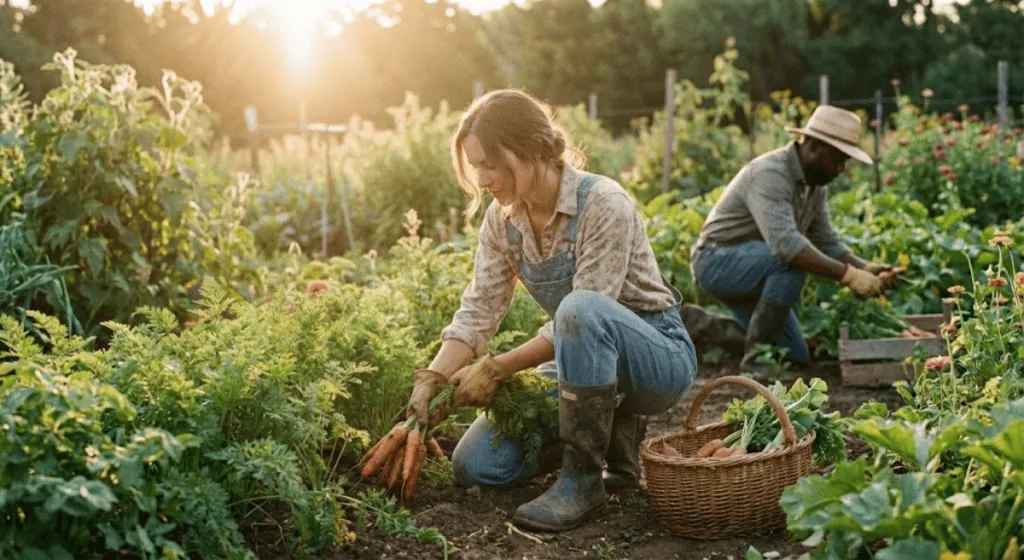
Farmcore harvest, hands holding freshly picked produce.
Clothing leans toward durability and practicality. Canvas barn coats, denim overalls, flannel shirts, sturdy boots meant for actual mud, these form the farmcore wardrobe foundation. Colors tend toward earth tones: browns, tans, olive greens, dusty blues, and the natural cream of undyed canvas and wool. Clothing shows wear proudly. Patches, faded spots, and the soft hand of fabric washed dozens of times aren’t flaws; they’re proof of a life lived actively. Interiors celebrate agricultural heritage. Exposed wood beams, galvanized metal containers repurposed as planters, vintage farm tools displayed on walls, and furniture built for durability rather than delicacy. The farmcore home feels productive, a place where seeds get started on windowsills, where herbs hang drying from ceiling hooks, where the kitchen table serves equally well for canning tomatoes and sharing meals.
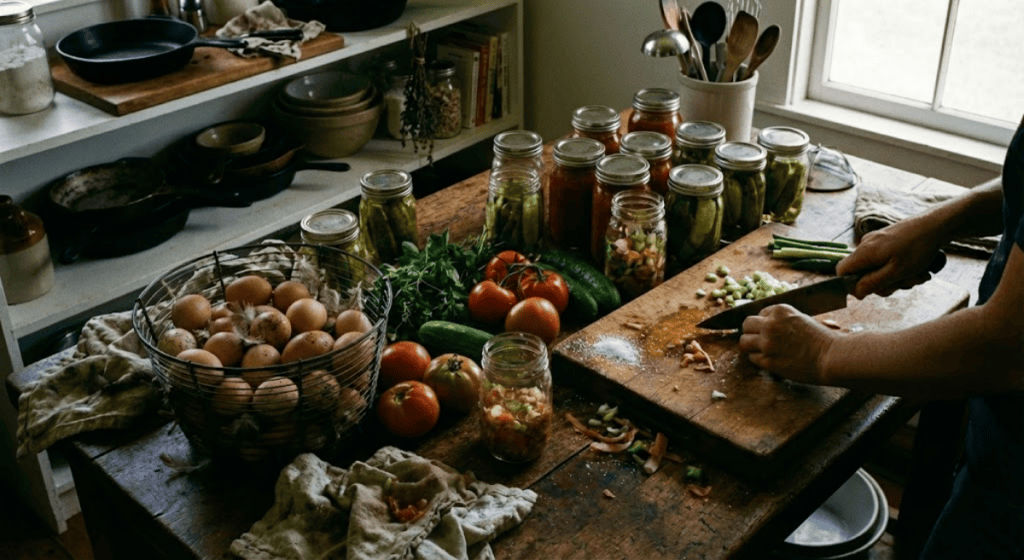
Farmcore kitchen, canning tomatoes, rustic aesthetic.
Imagery focuses on working landscapes. Fields under cultivation, orchards heavy with fruit, livestock grazing, tractors and implements, barns and outbuildings, farmers’ markets overflowing with produce. The farmcore aesthetic doesn’t sanitize agricultural life; it includes the early mornings, the physical exhaustion, the uncertainty of weather and markets, and the profound satisfaction of bringing in a harvest.
Living the Farmcore Lifestyle
Farmcore isn’t just an aesthetic to admire, it’s a lifestyle that can be scaled to meet you where you are. The heart of farmcore is productive engagement with growing things, whether that means managing hundreds of acres or tending a single tomato plant on an apartment balcony. 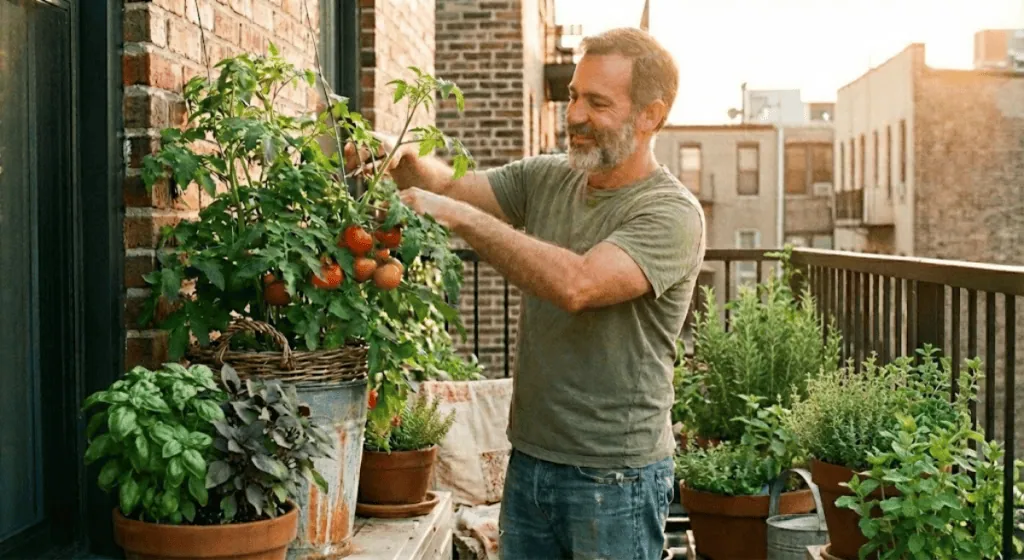
Urban balcony garden, farmcore lifestyle, small space gardening.
Start where you are.
Farmcore doesn’t require owning a farm. Container gardening, community garden plots, windowsill herbs, and sprouts grown in jars all count. The goal is connection to the process of growing food, not the scale of your operation.
Learn practical skills.
Like cottagecore, farmcore values competence. Basic vegetable gardening, food preservation, equipment maintenance, carpentry, fencing; these skills connect you to agricultural traditions and build genuine self-reliance. You don’t need to master everything. Pick one skill that interests you and develop it over time.
Connect with working farms.
If you can’t farm yourself, connect with those who do. Shop at farmers’ markets, join a CSA, visit u-pick operations, attend agricultural fairs. Understanding where food comes from and who produces it is central to the farmcore ethos.
Embrace seasonality.
Farmcore living follows natural rhythms. Plant in spring, tend through summer, harvest in fall, rest and plan in winter. Even if you’re not growing food yourself, eating seasonally and locally connects you to agricultural cycles.
Farmcore Fashion: Dressing for Work and Beauty
Farmcore fashion walks the line between genuine workwear and intentional style. The goal isn’t to look like you just stepped off a farm, it’s to wear clothes that could actually function on one while still feeling like yourself.
Essential pieces include canvas or denim chore coats, well-fitted overalls or dungarees, chambray and flannel button-downs, sturdy leather belts, and boots with actual traction. Look for natural fibers that breathe and age well: cotton canvas, denim, wool, and leather. 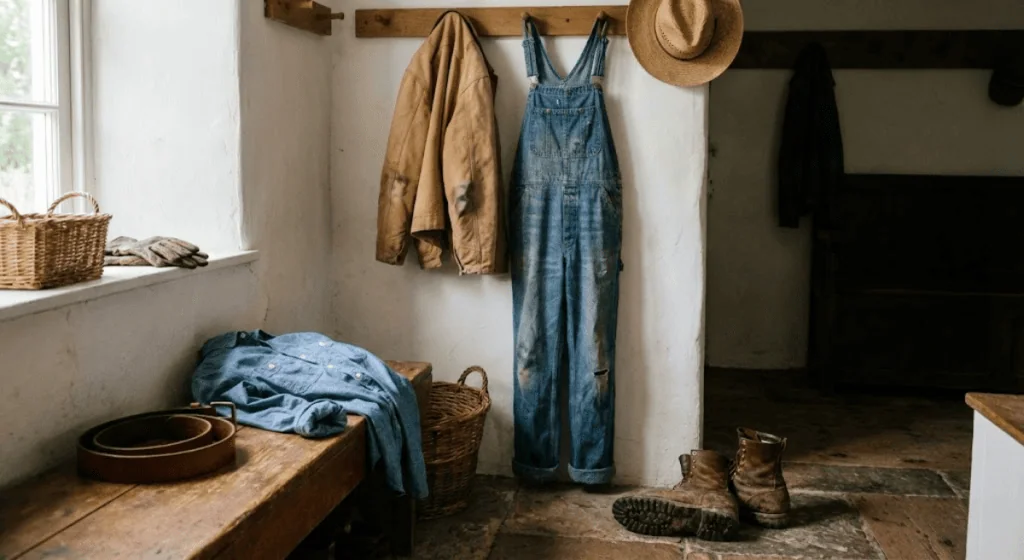
Farmcore fashion, essential workwear, canvas coat and overalls.
The farmcore color palette draws from the agricultural landscape: soil brown, wheat gold, barn red, forest green, sky blue, and the weathered gray of old wood. These colors layer beautifully together and hide the inevitable dirt of an active life.
Vintage and secondhand pieces often capture the farmcore aesthetic better than new clothing. Worn-in Carhartt jackets, vintage denim, and inherited work shirts carry history and authenticity that new clothes can’t replicate. Thrift stores, estate sales, and farm auctions are excellent hunting grounds.
Why Farmcore Resonates Now
The farmcore movement speaks to a genuine hunger in contemporary life. Many people feel disconnected from how their food is produced, uncertain about supply chains, and exhausted by digital overwhelm. Farmcore offers an antidote, or at least a vision of one.
There’s also growing awareness that agricultural knowledge shouldn’t disappear. As fewer people farm professionally, the skills and wisdom of food production risk being lost. Farmcore, even in its aesthetic expressions, keeps agricultural life visible and valued.
There’s deep satisfaction in physical work that produces tangible results. In a world of abstract labor and endless screens, farmcore celebrates the straightforward pleasure of planting a seed and watching it grow, of building something with your hands, of ending a day genuinely tired from effort that mattered. 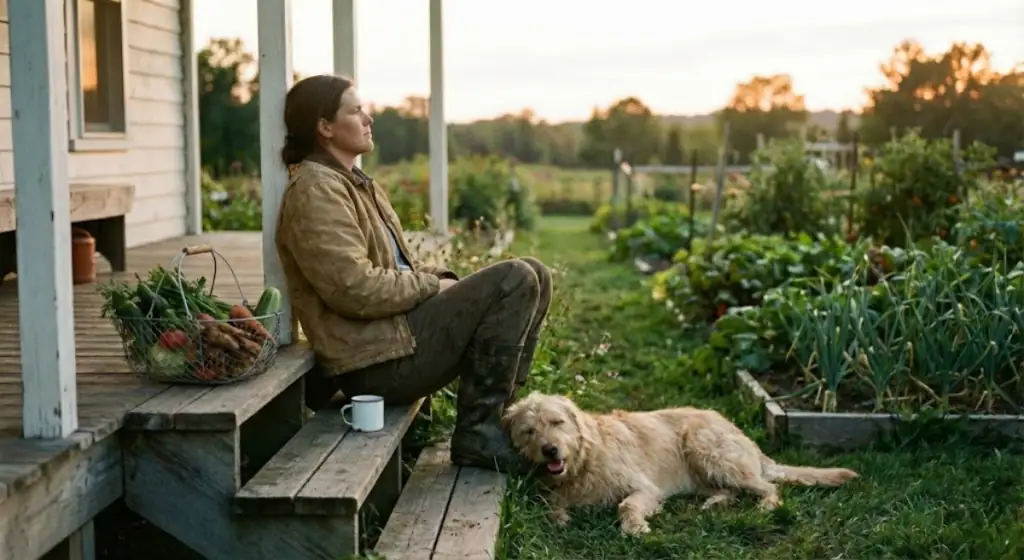
Bringing Farmcore Home
You don’t need acreage to embrace farmcore. Start with what you have: a pot of herbs on your windowsill, a worn denim jacket that feels like an old friend, a commitment to buying produce from local farmers when you can.
Farmcore isn’t about performing rural life for an audience. It’s about finding your own connection to land, seasons, and the quiet dignity of productive work. Whether you’re managing a homestead or simply growing tomatoes on your fire escape, that connection matters.
The mud on your boots tells a story. The seeds you planted are growing. The work is real, and so is the satisfaction. That’s farmcore, not an escape from modern life, but a grounding within it.
Let us know in the comments what you love most about farmcore!
Making Homestead Magic | Your Cottagecore Lifestyle Arts Magazine | Homesteading Where You’re Planted